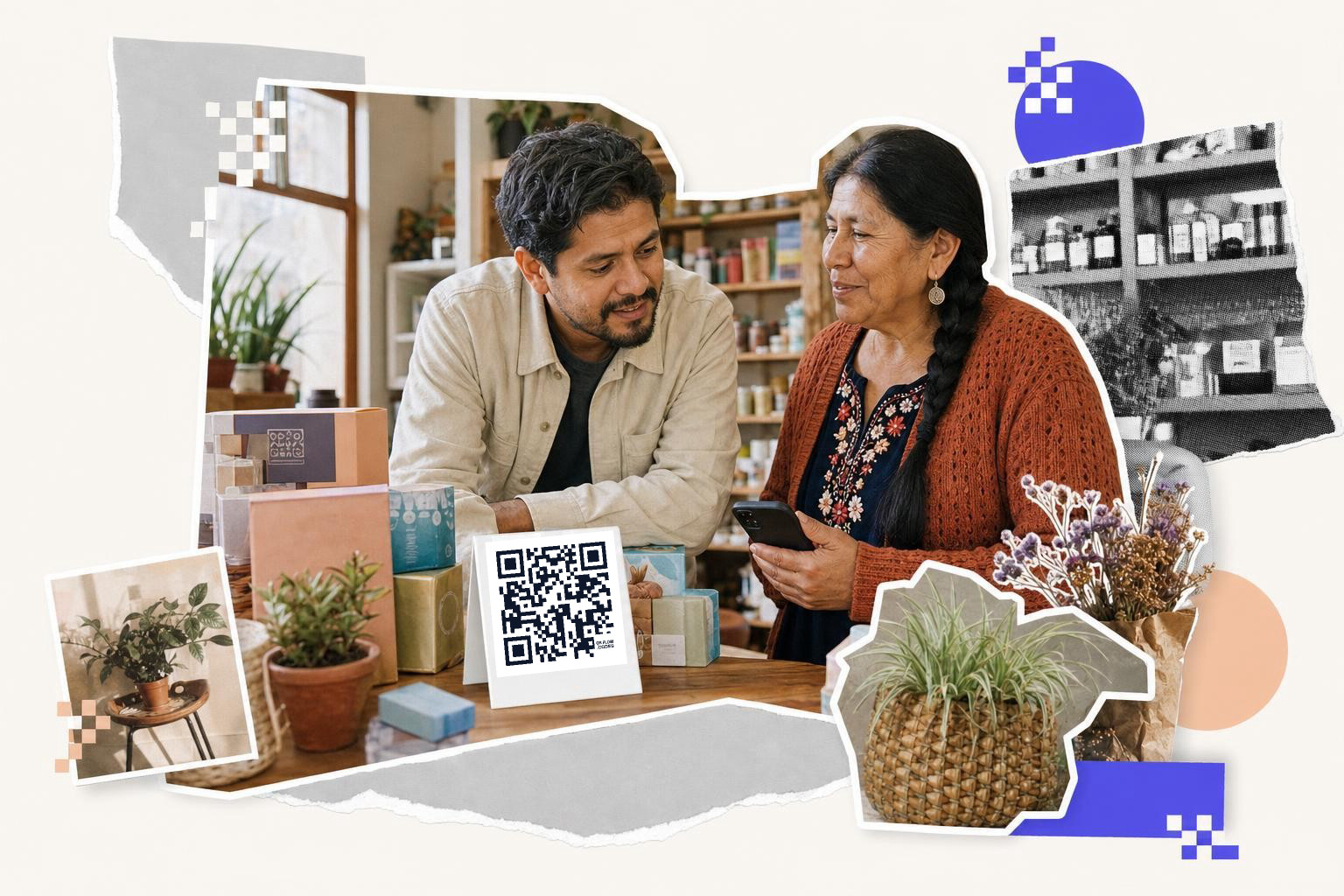
Use QR code promotions to send shoppers to one clear offer, print the code where the buying choice happens, and make the link dynamic if the deal might change later.
You can set this up in one afternoon. The trick is giving each code one job, then placing it where a scan feels like the next obvious step.
How to set up QR code promotions#
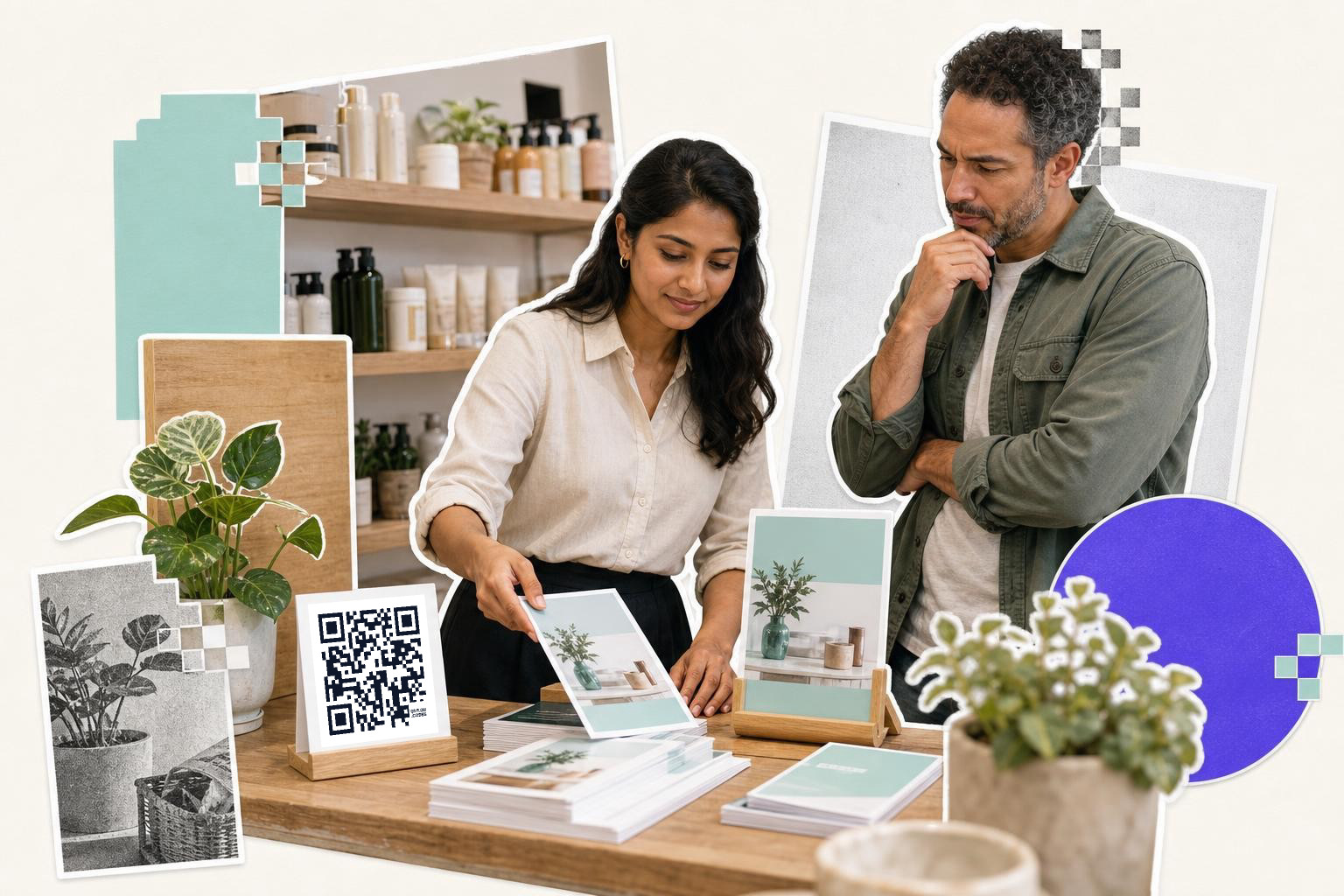
-
Pick one promotion people can understand in two seconds, like 10 percent off, a free sample, a giveaway entry, or a bonus video. A code that tries to do three things at once usually gets ignored.
-
Open the free QR code generator and choose the destination that fits the offer. A coupon landing page, product page, form, SMS, WhatsApp chat, or simple link can all work.
-
Build the page behind the code before you design the print piece. The page should repeat the offer in the first line and tell people exactly what to do next.
-
Match the destination to the promotion type. Discounts work best with a short landing page, giveaways often need a form, and exclusive content can go straight to a video or PDF.
-
Use a dynamic code if the offer, page, or dates might change after printing. QRFLOW.codes gives you your first dynamic code free, which is handy for seasonal promos or test runs.
-
Put the code where the buying decision happens, like shelf talkers, packaging, table tents, receipts, or the checkout counter. A code at the entrance can work, but a code beside the product usually works harder.
-
Add one plain call to action above or beside the code. “Scan for 15% off today” will beat “Scan me” almost every time.
-
Track what happens after the scan. If you use a dynamic code, you can see scan activity and swap the destination without reprinting when the first version underperforms.
Promotional QR codes work best when the reward is immediate. If the scan opens a busy homepage, you lose the moment.
A coffee counter might link to “scan for a free pastry on your next visit.” A product package might link to “scan to enter this month’s giveaway.” A clothing rack might link to “scan for styling tips and a same-day code.” Those are simple, clear, and easy to act on.
If you want the shortest path from idea to print, start with QRFLOW.codes. You can make the code, download it, and test the exact promo flow before you put it on signs, packaging, or shelf cards.
Which QR code promotions actually help sales?#
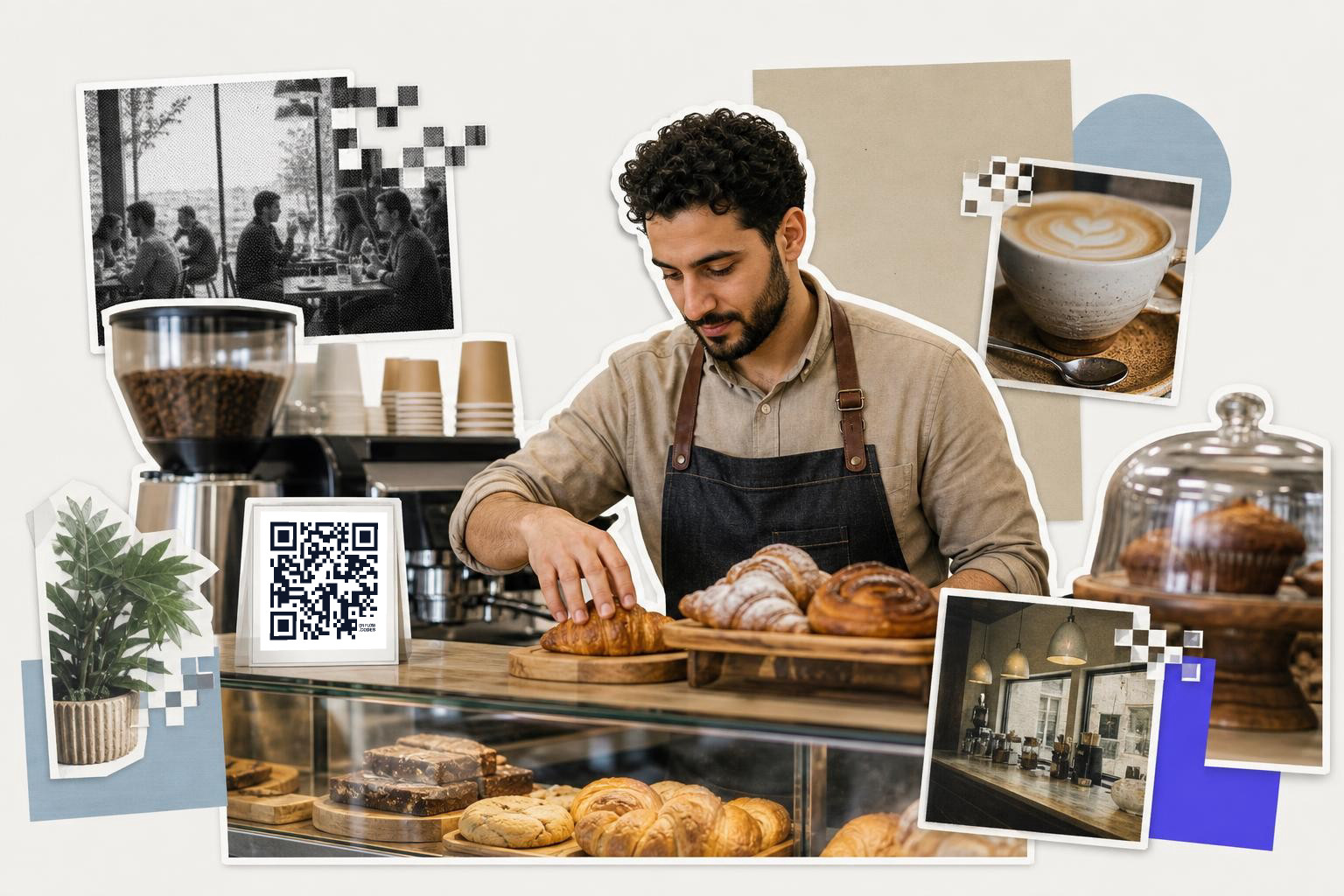
Discount QR codes, giveaway entries, and bonus content are the three easiest formats to launch because each one gives the shopper a clear reason to scan. The best choice depends on where the code appears and what you want the customer to do next.
Discounts are the fastest to understand. They fit windows, packaging inserts, menu tables, and checkout signs. Keep the offer tight, like a percent off, a fixed dollar amount, or a free add-on with purchase.
Giveaways are better when you want leads, not just one sale. A short form can collect an email address, product preference, or store location. If the prize is broad enough to interest everyone, you may get scans from people who were never likely to buy, so keep the reward related to your product.
Bonus content works well when you need more explanation before the sale. Think recipes on food packaging, setup tips for a tool, a short demo video, or a styling guide on an apparel tag. In QR code marketing, useful content often does better than a random prize because it helps the buyer feel more sure.
Time limited offers can also work, but only if the deadline is obvious. Put the end date on the sign or page, not just in small print.
A simple rule helps here. If you need a sale today, use a discount. If you need contact details, use a giveaway. If you need trust first, use content.
For offer pages that may move or change, a coupon QR code setup saves you from reprinting. If you want more on editable links and scan data, our guide to the best dynamic QR code generator shows what to compare.
Where should you place a promo code?#

Product shelves, packaging, counters, and receipts are usually the strongest spots because the shopper is already close to a buying decision. A promo code works better beside the product than in a random social post screenshot.
Shelf tags are great for comparison moments. A shopper is already deciding between two items, so “scan for today’s bundle deal” can push the choice.
Packaging works well for repeat sales. After the first purchase, the code can lead to a refill offer, a loyalty signup, or a related product. That is one of the simplest ways to turn one sale into two.
Counters and table tents help when people are waiting anyway. A cafe, salon, or service desk can use that pause for a bounce back offer or a review plus reward flow. If your promotion is tied to a physical location, the QR code for retail page has more setup ideas.
Receipts are good for post purchase offers, but only if the reward is worth the second scan. “Scan for next visit savings” is stronger than “visit our site.”
Print size matters, but it does not need to be complicated. For handouts or shelf cards, start at 1 inch (2.5 cm) wide. For signs viewed from a few feet away, start around 2.5 inches (6 cm) wide. If you want the full size guide, use how big should a QR code be when printed?.
What happens after the first campaign?#
A first round of QR code sales boost testing should tell you three things, where people scanned, what offer they chose, and whether the page turned scans into action. If one sign gets scans but no redemptions, the problem is usually the page or the offer, not the code.
Run two versions one at a time, not five at once. Change one variable, like the call to action, the reward, or the placement, and keep the rest the same. That makes the result readable.
If the destination changes often, use a dynamic code from the start. Static codes are fine for a fixed page, but any moved coupon, expired giveaway form, or swapped video means a reprint. If you want the fuller breakdown, see static vs dynamic QR code.
QRFLOW.codes can also show scan analytics on paid plans, which helps when you want to compare stores, placements, or time windows. If you are planning regular campaigns across many products or locations, the details are on the pricing page.
Real-world wins usually look boring before they look clever. One code, one offer, one page, one next step. That is the version people actually scan.
Designing effective QR code visuals#
The design of your QR code can significantly impact its effectiveness. A plain black-and-white code might not catch the eye, but a well-designed one can entice more people to scan. Start by incorporating your brand colors into the QR code. Many QR code generators allow you to customize colors while maintaining scannability. Make sure the contrast is strong enough for easy scanning.
Adding a logo or icon to the center of the QR code can also help. This not only reinforces brand recognition but also makes the code look more professional. However, ensure the logo does not interfere with the code's functionality.
Consider the surrounding design as well. A QR code should be part of a cohesive visual message. Use arrows or text to draw attention to the code, such as "Scan here for a deal." The design should guide the viewer's eye naturally to the QR code.
Finally, test the code thoroughly. Print a sample and try scanning it with different devices to ensure it works under various conditions.
Integrating QR codes with social media#
QR codes can bridge the gap between physical promotions and your online presence. By linking QR codes to your social media channels, you can increase engagement and expand your audience. Consider creating a QR code that directs users to a special social media campaign or a post that offers exclusive content or deals.
For example, a QR code on a product tag could lead to a video on your Instagram account showing how to use the product. This not only provides value but also encourages users to follow your account for more content.
Another idea is to use QR codes for social media contests. Scanning the code could enter users into a giveaway, with the requirement that they follow your page or share a post. This can boost your follower count and increase brand visibility.
Ensure that the landing page or social media link is mobile-friendly, as most scans will come from smartphones.
QR codes for feedback#
To encourage participation, offer a small incentive, such as a discount on their next purchase or entry into a prize draw. This not only gathers feedback but also encourages repeat business.
Make sure the feedback form is short and straightforward. Ask specific questions that will help improve your products or services. Open-ended questions can provide deeper insights, but too many can deter responses.
Analyzing the feedback collected through QR codes can help identify trends and areas for improvement. This data can be invaluable for refining your products, services, and customer experience.
Ready to test your first promo? Make one code, point it at one offer, and print it where customers already pause. Start with the generator and get the campaign live before the week is over.
Common questions on boosting sales with QR codes#
How can QR codes increase sales?#
QR codes can increase sales by providing an easy way for customers to access discounts, giveaways, or bonus content. This encourages them to make a purchase or engage with your brand. Placing QR codes where buying decisions occur can make the process smooth.
What are some creative ways to use QR codes in marketing?#
Creative ways to use QR codes in marketing include linking to exclusive video content, offering instant discounts, entering customers into giveaways, or providing product tutorials. You can also use them for loyalty programs or to encourage social media engagement.
What to include on a QR landing page?#
A landing page linked to a QR code should clearly restate the offer, provide simple instructions on what to do next, and include a strong call to action. The page should be easy to navigate and focused on converting the visitor, whether that's making a purchase or signing up for something.
How do I track the effectiveness of a QR code promotion?#
To track the effectiveness of a QR code promotion, use a dynamic QR code that allows you to see scan data and analyze user behavior. This can show how often the code is scanned, which offers are most popular, and how well the landing page converts visitors into customers.
When you are ready to try it, make a free QR code and see how it looks before you print anything.